Case study · GraphRAG · Enterprise IT
AI that finds the fault — and the fix from your own docs
We designed and built an AI-powered Network Fault Diagnosis System for an enterprise client. It maps the network, pinpoints where a fault originates, and returns step-by-step remediation drawn straight from the client's own hardware manuals — with the relevant diagrams — all in a single web interface.
In short
An enterprise IT team was losing hours tracing network faults across hundreds of pages of hardware manuals. We built a GraphRAG system — a Neo4j knowledge graph of the network plus retrieval-augmented generation over the client's documentation — that locates the fault and returns precise, documentation-backed fixes (with diagrams) through one web interface, cutting resolution time substantially.
The challenge
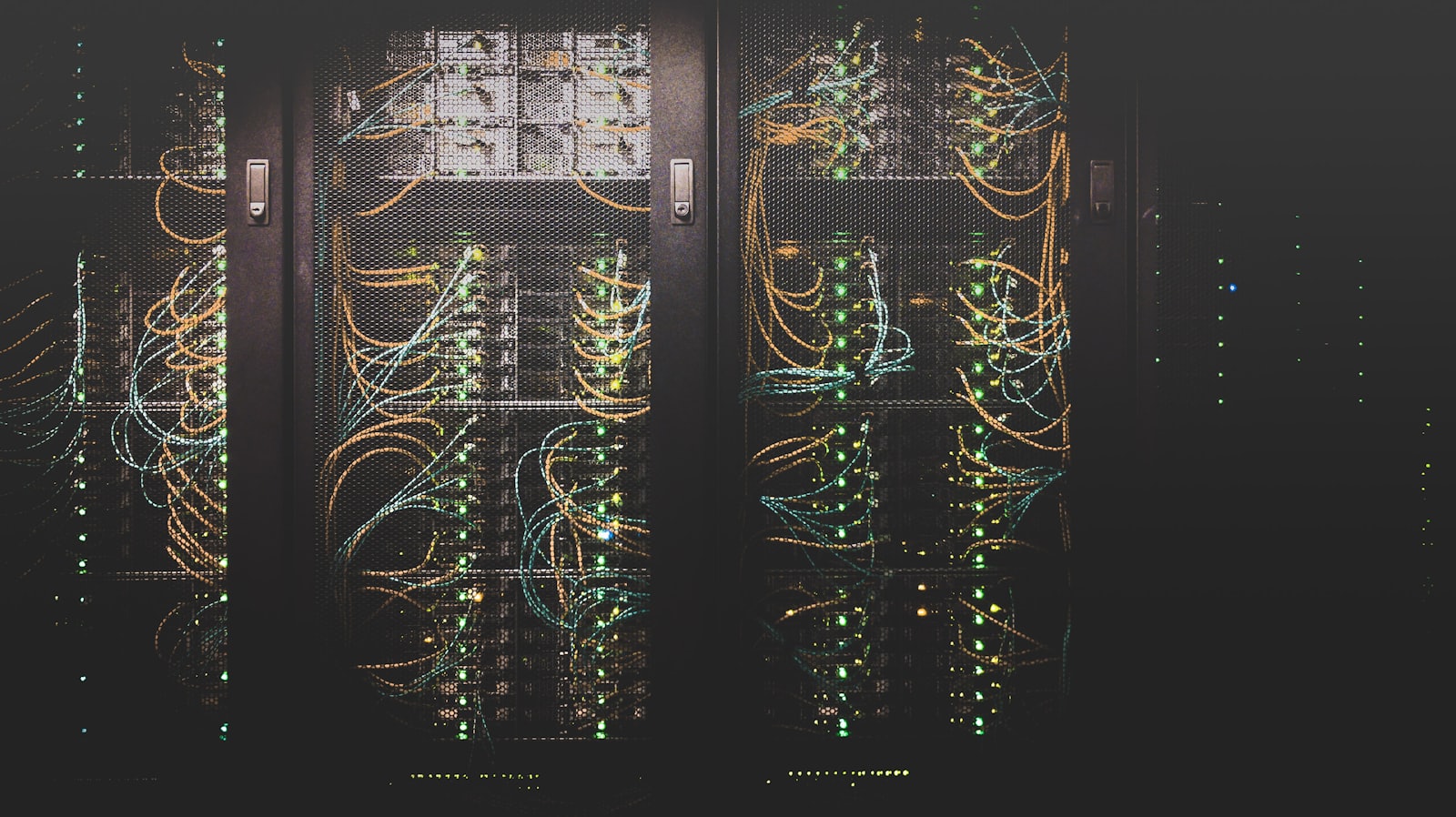
Network faults in enterprise environments are slow to trace and resolve. IT staff spend significant time manually scanning infrastructure, cross-referencing hardware documentation, and piecing together the root cause. There was no centralised, intelligent system to do this end to end — so every incident meant another manual hunt through manuals and configurations.
What we built
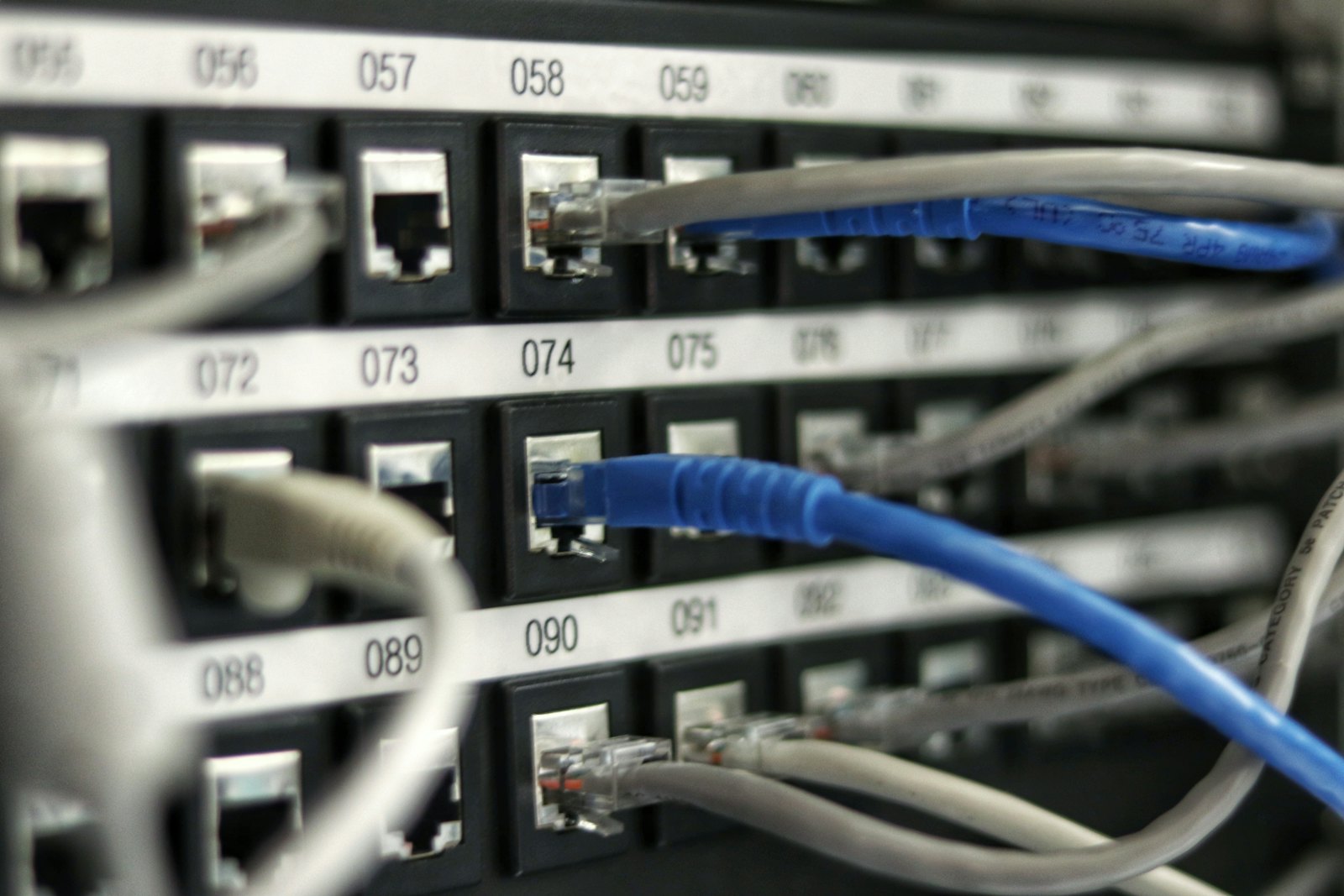
The system runs on a GraphRAG architecture — a knowledge graph combined with retrieval-augmented generation — so it understands how the network's components relate and surfaces fixes grounded in the client's own documentation.
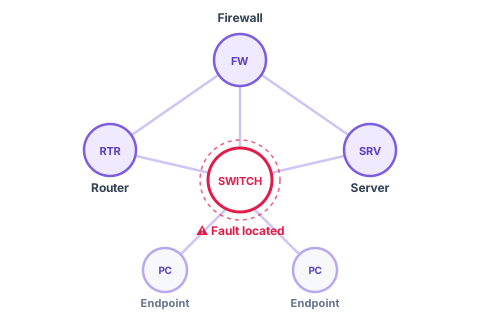
- Diagnoses faults at every layer — headquarters network, server room, firewall, and connected hardware.
- Retrieves fixes directly from the client's own hardware guides, installation manuals and troubleshooting docs — no generic or hallucinated answers.
- Displays the relevant diagrams from those documents alongside each text step, so technicians can visually verify as they work.
- Delivered through a clean web interface the IT team uses in real time.
How it works
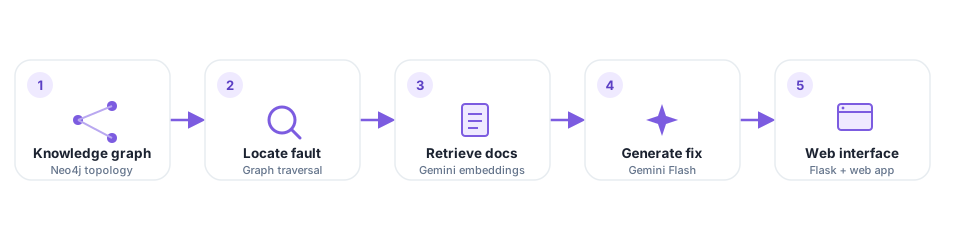
- Map the network. The topology is modelled as a Neo4j knowledge graph — routers, switches, servers, firewalls and endpoints — capturing how every component connects.
- Locate the fault. When a fault is reported or detected, the system traverses the graph to identify where the issue originates.
- Retrieve grounded fixes. Gemini embeddings search the client's internal documentation for the most relevant procedures, so every suggested fix is specific to the hardware actually in use.
- Generate the answer. Gemini (Flash) synthesises the retrieved documentation into a clear, structured, step-by-step response with the matching images.
- One interface. A Flask REST API and responsive web app give IT a single place to diagnose issues and apply fixes — no juggling a dozen manuals.
Have a problem like this?
If a manual, document-heavy workflow is slowing your team down, we can scope an AI build for it — fixed scope, fixed price, shipped in weeks.
Book a free scoping call